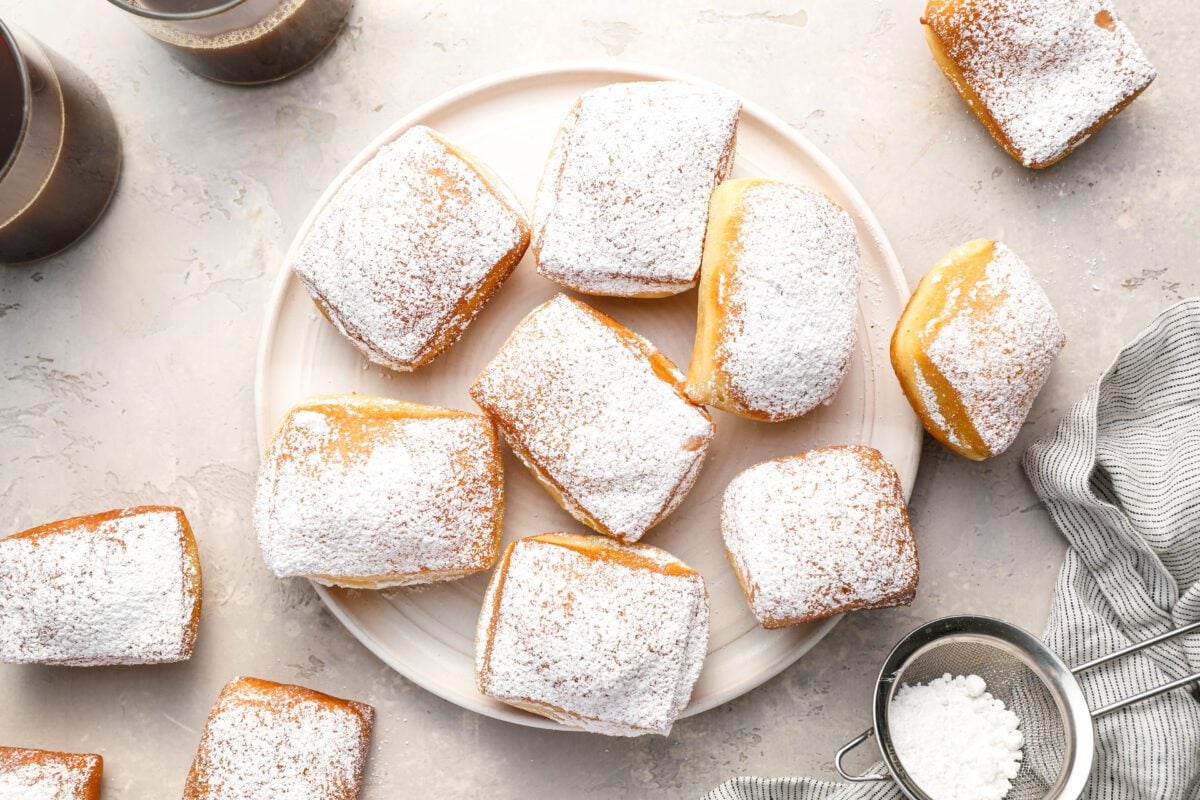
The Allure of New Orleans Beignets: A Taste of the Big Easy at Home
Few pastries evoke the charm and mystique of a city quite like the beignet. These iconic, square-shaped donuts, generously blanketed in a snowstorm of powdered sugar, are synonymous with the vibrant streets and bustling cafés of New Orleans. Imagine biting into a warm, airy cloud of sweet dough, its crispy edges giving way to a soft, fluffy interior – a moment so perfect, it transports you straight to the historic French Quarter, perhaps sipping a café au lait by the Mississippi River.
For many, the first encounter with a beignet is a pilgrimage to Cafe du Monde, where the experience often involves a joyous, sugar-dusted cough as you inhale too quickly. It's a rite of passage, a truly unforgettable taste of Louisiana culture. But what if you could recreate that magic, that irresistible aroma and delicate texture, right in your own kitchen? Our comprehensive guide to the ultimate homemade beignets recipe promises to unlock the secrets to crafting these delicious treats, proving that making New Orleans-style beignets at home is not only possible but surprisingly easy.
Mastering Your Homemade Beignets Recipe: Ingredients & Prep
Don't let the thought of deep-frying deter you. With the right ingredients and a few expert tips, you'll be whipping up batches of these golden beauties in no time. The key to an authentic New Orleans beignet lies in a simple yeast dough, made rich and tender with specific ingredients.
Essential Ingredients for Authentic Beignets
While the overall process is straightforward, the quality and type of ingredients make a difference:
- Active Dry Yeast: The leavening agent that gives beignets their signature airy structure. Make sure it's fresh and active.
- Warm Water or Milk: Essential for activating the yeast. Water works, but milk (especially evaporated milk) adds richness and tenderness.
- Granulated Sugar: Feeds the yeast and adds sweetness to the dough.
- Large Eggs: Contribute to the dough's richness, color, and structure.
- Evaporated Milk: This is a secret weapon in many Southern recipes. It provides a creamy, concentrated milk flavor and helps create a tender crumb without adding excess water.
- Melted Shortening or Butter: Shortening is traditional and yields a very tender beignet, while butter offers a slightly richer flavor. Choose what you prefer.
- All-Purpose Flour: The foundation of the dough.
- Salt: Balances the sweetness and enhances flavor.
- Vanilla Extract: A crucial flavor component, adding that classic warm, inviting aroma.
- Vegetable Oil (for frying): A neutral oil with a high smoke point is best, such as canola, peanut, or vegetable oil.
- Powdered Sugar (for dusting): Generous amounts are non-negotiable!
Crafting Your Beignet Dough: A Step-by-Step Guide
The dough itself comes together quickly, but patience is key for the best results. Here's how to create the perfect foundation for your homemade beignets:
- Activate the Yeast: In a large bowl, combine the warm water (or milk) with a pinch of sugar and the yeast. Let it sit for 5-10 minutes until frothy, indicating the yeast is active.
- Combine Wet Ingredients: Whisk in the remaining granulated sugar, eggs, evaporated milk, melted shortening (or butter), and vanilla extract into the yeast mixture.
- Add Dry Ingredients: Gradually add the flour and salt to the wet ingredients, mixing until a soft, shaggy dough forms.
- Knead the Dough: Turn the dough out onto a lightly floured surface and knead for 5-7 minutes until it's smooth and elastic. It should be soft and slightly sticky but manageable.
- First Rise (The Secret Step): Lightly grease a large bowl, place the dough in it, and turn to coat. Cover with plastic wrap and, crucially, transfer it to the refrigerator. Allow the dough to chill and slowly rise for a minimum of 8 hours, or ideally, overnight (up to 48 hours). This extended cold proofing is the true secret to developing profound flavor and a superior texture in your beignets. The dough will slowly ferment, creating those desired pockets of air and a complex taste.
For more detailed insights into why an overnight chill is so vital for flavor and texture, dive into our related article: The Secret to Perfect Beignets: Overnight Dough & Frying Essentials.
Frying Fundamentals: Achieving Perfection
Once your dough has enjoyed its long, restorative sleep in the fridge, you're just a few steps away from warm, sugar-dusted heaven. The frying process is where the magic truly happens, transforming simple dough into those irresistible puffy squares.
Prepping Your Chilled Dough
After its extended cold proof, your dough will be incredibly easy to work with:
- Warm Up: Remove the dough from the refrigerator about an hour before you plan to fry. Let it sit at room temperature to take the chill off. You don't need a second proofing; the cold proof has already done its work.
- Roll It Out: On a lightly floured surface, gently roll the dough into a large rectangle, about 1/4 inch thick. Don't roll it too thin, or your beignets won't be as fluffy.
- Cut into Squares: Using a pizza wheel or sharp knife, cut the dough into approximately 2-inch to 2.5-inch squares. Don't worry about perfect uniformity; the rustic, uneven shapes are part of their charm, and those slightly crispier corners are highly sought after!
The Art of Frying: Temperature is Key
Frying can seem intimidating, but with a few essential tools and techniques, you'll achieve perfectly cooked beignets every time:
- Set Up Your Frying Station: Choose a heavy-bottomed pot or Dutch oven and fill it with 2-3 inches of vegetable oil. Attach a candy thermometer to the side of the pot. Have a wire rack set over a baking sheet or layers of paper towels ready for draining the fried beignets.
- Monitor Oil Temperature: Heat the oil to 350-360°F (175-180°C). This is perhaps the most critical step. A candy thermometer is absolutely essential here. If the oil is too cold, the beignets will absorb too much oil and become greasy. If it's too hot, they'll burn on the outside and remain raw in the middle.
- Fry in Batches: Carefully drop 3-4 beignet squares into the hot oil at a time. Do not overcrowd the pot, as this will drastically lower the oil temperature and lead to uneven cooking.
- Flip and Fry: Fry for 1-2 minutes per side, or until they are puffed up and beautifully golden brown. Use tongs or a spider strainer to flip them.
- Drain: Once golden, remove the beignets from the oil and place them on the prepared wire rack to drain any excess oil.
For more deep-frying secrets and make-ahead strategies, check out our guide: Whip Up Authentic NOLA Beignets: Make-Ahead Dough & Frying Hacks.
Serving & Storing Your Golden Treasures
The moment they emerge from the fryer, hot and fragrant, is when the true magic begins.
Serving Suggestions & The Powdered Sugar Cloud
As soon as your beignets are drained, transfer them to a bowl or a plate and generously dust them with a thick coating of powdered sugar. There's no such thing as too much! The heat of the beignets will slightly melt the sugar, creating a delightful glaze and a truly iconic presentation. Serve them immediately while they're still warm – this is when their light, airy texture and delicate sweetness are at their peak. A freshly brewed cup of hot coffee or a chicory-laced café au lait is the traditional pairing, cutting through the sweetness beautifully.
Make-Ahead & Freezing Tips for Future Enjoyment
One of the beauties of this beignets recipe is its flexibility for make-ahead preparation:
- Overnight Dough: As discussed, the dough can be made up to 48 hours in advance and stored in the refrigerator. This makes breakfast or brunch entertaining a breeze!
- Freezing Raw Dough: You can even freeze the raw, cut beignet squares. Place them in a single layer on a baking sheet, making sure they don't touch, and freeze until solid. Once frozen, transfer them to a freezer-safe bag or airtight container for up to a month. When you're ready to fry, thaw the squares (again, without them touching) on a baking sheet at room temperature for about an hour before carefully dropping them into hot oil.
There’s an undeniable joy in recreating a culinary icon like the New Orleans beignet in your own home. While the classic powdered sugar dusting is perfect, don't be afraid to experiment with other toppings like chocolate sauce, fruit compotes, or even a dusting of cinnamon sugar for a twist. This detailed beignets recipe, armed with expert tips on dough preparation, oil temperature, and serving, empowers you to bring a piece of New Orleans' legendary charm and deliciousness straight to your table. So, roll up your sleeves, embrace the sweet challenge, and prepare for a truly rewarding (and incredibly tasty) experience!
