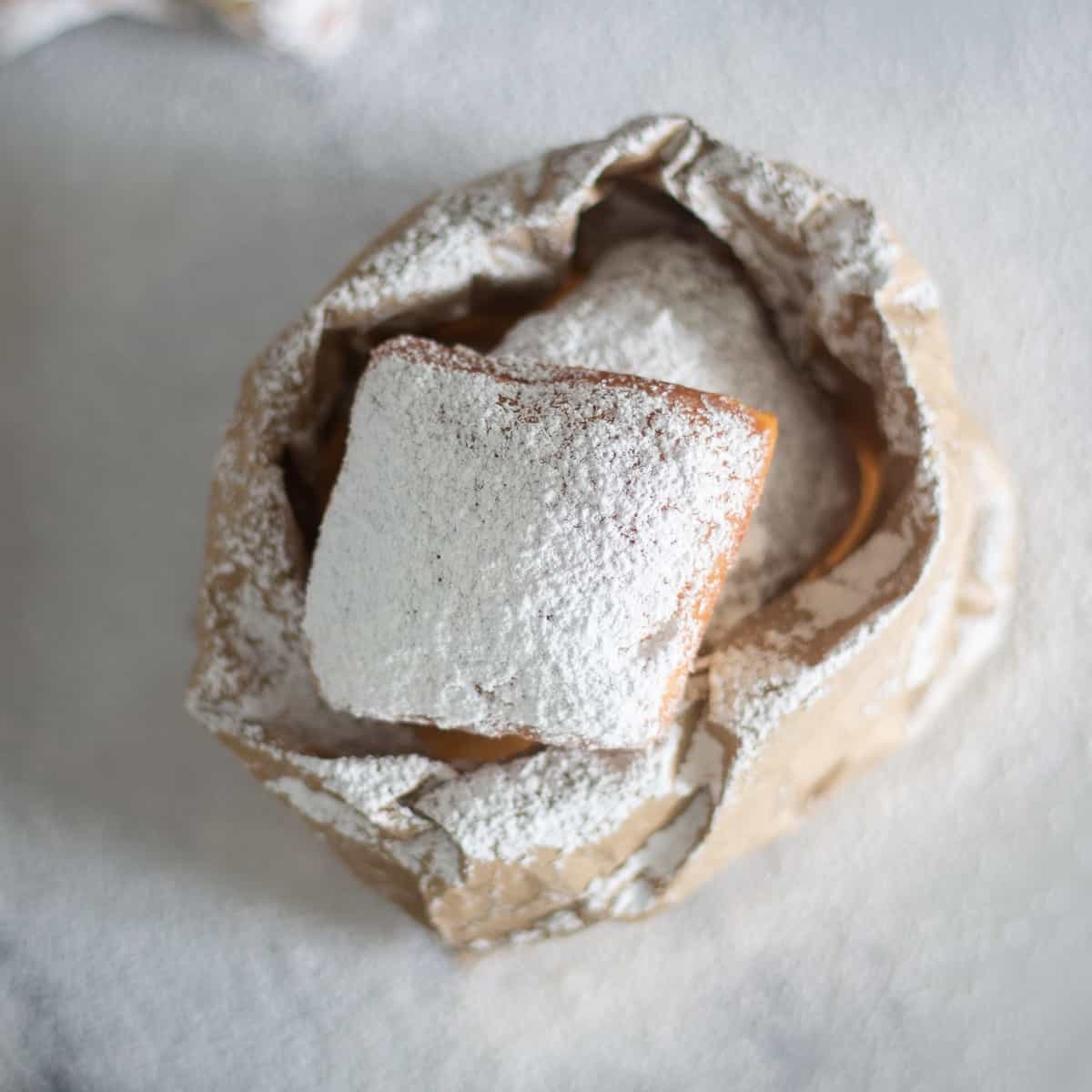
Whip Up Authentic NOLA Beignets: Make-Ahead Dough & Frying Hacks
Imagine closing your eyes and being transported to the vibrant streets of the French Quarter, the sweet aroma of fried dough mingling with the rich scent of chicory coffee. That's the magic of a New Orleans beignet – a warm, cloud-like pastry dusted generously with powdered sugar. While a trip to Cafe du Monde might not be on your immediate agenda, bringing this iconic NOLA experience into your own kitchen is far easier than you might think. This comprehensive guide will walk you through an authentic
beignets recipe, complete with clever make-ahead dough strategies and essential frying hacks, ensuring your homemade beignets are nothing short of perfection. Get ready to impress your taste buds and loved ones with these irresistible square doughnuts!
The Allure of Authentic New Orleans Beignets
What makes a beignet so uniquely captivating? It's more than just a doughnut; it's a cultural staple, a symbol of New Orleans hospitality and culinary heritage. These soft, pillowy squares of vanilla-scented dough are fried until golden brown, developing a delightful crunch on their signature corners, before being showered with an almost impossible amount of confectioners' sugar. The contrast of the crispy exterior giving way to an airy, tender interior is simply divine. Served piping hot, often alongside a strong cup of café au lait, they offer a sensory experience that’s both comforting and exhilarating.
While their elegance might suggest complexity, the truth is that a fantastic
New Orleans beignets recipe is surprisingly accessible for the home baker. Many assume frying yeast dough is daunting, but with the right guidance and a few insider tips, you'll be creating batches of these French-inspired delicacies with confidence. The reward – that first bite into a warm, fluffy beignet, perhaps making the classic mistake of inhaling a puff of powdered sugar – is absolutely worth it.
Essential Ingredients and Equipment for Your Beignets Recipe
Crafting the perfect beignet begins with understanding the core components and having the right tools on hand. While the ingredient list for this classic
homemade beignets recipe is quite simple, each plays a vital role in achieving that signature texture and flavor.
**Key Ingredients:**
*
All-Purpose Flour: The foundation of our dough, providing structure.
*
Granulated Sugar: Sweetens the dough and aids in fermentation.
*
Active Dry Yeast: The leavening agent responsible for those airy pockets.
*
Evaporated Milk: Adds richness and moisture, contributing to a tender crumb.
*
Water: Activates the yeast and helps hydrate the dough.
*
Eggs: Enrich the dough, adding flavor, color, and tenderness.
*
Shortening or Butter: Contributes to the soft texture and slight flakiness.
*
Vanilla Extract: Essential for that signature vanilla scent and flavor.
*
Salt: Balances the sweetness and enhances overall flavor.
*
Powdered Sugar: The iconic finishing touch for dusting.
*
Frying Oil: A neutral-flavored oil with a high smoke point (like vegetable, canola, or peanut oil) is crucial for frying.
**Crucial Equipment:**
*
Heavy-Bottomed Pot or Dutch Oven: Ideal for frying as it distributes heat evenly and retains temperature well.
*
Candy Thermometer: This is non-negotiable for perfectly fried beignets. Maintaining a consistent oil temperature (ideally around 350-360°F / 175-180°C) is key to ensuring your beignets cook through without burning, resulting in that coveted fluffy interior and golden exterior. Without it, you risk greasy, undercooked centers or dark, burnt outsides.
*
Stand Mixer with Dough Hook (Optional but Recommended): Makes kneading much easier, though hand-kneading is also possible.
*
Rolling Pin: For evenly flattening the dough.
*
Pizza Wheel or Sharp Knife: For effortlessly cutting the dough into squares. A pizza wheel is particularly efficient.
*
Slotted Spoon or Spider: For safely transferring beignets into and out of the hot oil.
*
Wire Rack Set Over a Baking Sheet: For draining excess oil after frying.
*
Sifter or Fine-Mesh Sieve: For dusting beignets evenly with powdered sugar.
Mastering the Dough: Make-Ahead & Freezing Secrets
One of the biggest secrets to achieving truly exceptional beignets, beyond the ingredient list, lies in how you handle the dough. The magic isn't just in the mixing; it's often in the waiting.
The Overnight Dough Advantage
While some recipes suggest proofing dough in a warm place for a couple of hours, the true "secret weapon" for the perfect homemade beignet lies in letting the dough rest in the refrigerator overnight. This isn't just about convenience; it’s about flavor and texture development.
*
Enhanced Flavor: The slow, cold fermentation allows the yeast to work its magic over a longer period, developing deeper, more complex flavors in the dough.
*
Superior Texture: This extended chill time results in a dough that is easier to handle, less sticky, and ultimately yields a more tender, airy beignet once fried. The dough will slowly rise and develop while it's in the fridge, eliminating the need for a separate warm proofing step later.
*
Convenience: Prepare the dough a day or two in advance (it can be stored in the fridge for up to 48 hours), and then simply take it out when you’re ready to fry. Before cutting and frying, let the dough sit at room temperature for about an hour to warm up slightly, making it more pliable.
This make-ahead method is a game-changer, allowing you to enjoy fresh, hot beignets without the early morning rush. For an even deeper dive into this essential technique, check out our guide on
The Secret to Perfect Beignets: Overnight Dough & Frying Essentials.
Freezing Raw Beignet Dough for Future Cravings
Did you know you can even freeze your raw beignet dough? This is an excellent hack for those who love to plan ahead or want to have fresh beignets on demand.
1.
Cut the Dough: After the dough has chilled and is ready to be cut (or even immediately after the initial rise if you're not chilling overnight), roll it out and cut it into your desired squares.
2.
Flash Freeze: Arrange the raw beignet squares in a single layer on a parchment-lined baking sheet, ensuring there's space between each piece so they don't stick together. Place the baking sheet in the freezer for 1-2 hours, or until the dough pieces are firm.
3.
Store: Once frozen solid, transfer the dough squares to a freezer-safe Ziploc bag or an airtight container. They can be stored for up to one month.
4.
Thawing and Frying: When you're ready to fry, remove the desired number of frozen dough squares and arrange them on a parchment-lined baking sheet, again ensuring they are spaced apart. Let them thaw at room temperature for 1-2 hours until they are soft and slightly puffed. Once thawed, you can proceed directly to frying as per the recipe instructions.
Frying Hacks for Fluffy, Golden Perfection
Frying is where the magic truly happens, transforming simple dough into those irresistible puffy squares. But it requires attention to detail.
1.
Mind the Oil Temperature: As mentioned, your candy thermometer is your best friend here. Heat your frying oil to a consistent 350-360°F (175-180°C). If the oil is too cool, the beignets will absorb too much oil, becoming greasy and dense. If it’s too hot, they’ll burn on the outside before cooking through, leaving a raw center. Keep an eye on the thermometer and adjust the heat as needed throughout the frying process.
2.
Don't Overcrowd the Pot: Resist the urge to fry too many beignets at once. Frying in batches is crucial. Overcrowding the pot will dramatically lower the oil's temperature, leading to greasy, heavy beignets. Fry 3-4 at a time, depending on the size of your pot, ensuring they have plenty of room to puff up and move around.
3.
The Rustic Cut: When cutting your rolled-out dough, a pizza wheel is incredibly efficient. Don't stress about making every square perfectly identical – the charm of homemade beignets often lies in their slightly rustic, varied shapes. Those irregularly shaped pieces often develop extra crispy edges, which are a true delight!
4.
Flip for Even Browning: Beignets fry quickly. Once you drop them in the hot oil, they will puff up almost immediately. Flip them after about 30-60 seconds, or once they achieve a deep golden brown on one side. Continue frying for another 30-60 seconds on the second side until evenly colored.
5.
Drain Properly: As you remove each batch from the oil, use a slotted spoon or spider to transfer them to a wire rack set over a baking sheet. This allows excess oil to drip away, preventing them from becoming soggy.
For a comprehensive guide on mastering every aspect of this delightful pastry, from expert dough handling to perfect frying, be sure to read
Mastering New Orleans Beignets: Easy Homemade Recipe & Expert Tips.
Serving Your Homemade NOLA Beignets
The final, glorious step is serving your freshly fried beignets. The key is immediacy. Beignets are best enjoyed warm, mere minutes after coming out of the oil.
Generously dust them with powdered sugar using a sifter or fine-mesh sieve. Don't be shy – the more, the merrier! The warmth of the beignet will slightly melt the sugar, creating a beautiful sweet coating. Traditionally, they are served with a cup of hot coffee, especially chicory coffee, which complements their sweetness perfectly. For an extra touch, consider serving them alongside a warm chocolate dipping sauce, a berry compote, or even a drizzle of caramel.
No matter how you serve them, sharing these warm, fluffy, sugar-dusted treats is an experience that brings a little piece of New Orleans joy right into your home.
Conclusion
Creating authentic New Orleans beignets at home is a culinary journey well worth taking. From the initial mixing of the dough to the satisfying puff in the hot oil, each step brings you closer to a truly rewarding treat. By utilizing make-ahead dough techniques like overnight refrigeration and even freezing, and by implementing crucial frying hacks such as precise oil temperature control and batch frying, you can consistently achieve beignets that rival those found in the Big Easy. So roll up your sleeves, gather your ingredients, and embark on crafting this iconic pastry. Your delicious homemade
beignets recipe adventure starts now!